Medically reviewed by
Jacob White, MD
Interventional Radiologist & Vascular Specialist
Endovenous laser ablation (EVLT), also known as endovenous laser treatment (EVLA), is a widely used, minimally invasive procedure that uses targeted laser energy to treat varicose veins. This thermal-ablation treatment closes veins that no longer function properly from the inside.
The EVLT procedure treats varicose veins and chronic venous insufficiency (CVI) by targeting the damaged veins and rerouting blood flow. It may help relieve painful, visible vein symptoms, including leg swelling, cramping, aching, itching, skin discoloration, and bulging veins. Laser treatment for varicose veins can also help reduce the risk of developing serious complications, like venous ulcers, in the future.
How Endovenous Laser Treatment Works
The endovenous laser therapy procedure is typically performed by vein specialists in an outpatient setting, requiring only local anesthesia. Using ultrasound guidance, a thin laser fiber is inserted into the affected vein through a small puncture in the skin. The laser’s heat closes the diseased vein, allowing blood to naturally reroute through healthy veins without the need to surgically remove the vessel. Because EVLT is minimally invasive, patients generally experience less discomfort, minimal scarring, and a faster return to normal activities compared to traditional vein surgery.
Using endovenous laser treatment for varicose veins involves three main steps:
- A vein specialist guides a thin laser fiber into the diseased vein.
- They use laser heat to cause the vein walls to collapse and close.
- Blood is redirected to nearby healthy veins.
By treating the source of venous reflux without surgically removing the vein, EVLT offers a modern, minimally invasive alternative for varicose vein treatment.
Watch our video on the EVLT procedure to learn more about what happens during this laser treatment for varicose veins:
Should I Get EVLT for Varicose Veins?
Most adults with symptomatic varicose veins or confirmed venous reflux are candidates for EVLT. EVLT is specifically designed to treat failed valves in the saphenous vein, which is the most common cause of painful, bulging veins. It tends to work well for larger, deeper vessels, but it is not used to treat spider veins or small surface veins.
EVLT may not be appropriate during pregnancy, while breastfeeding, or for patients with significant deep venous obstructions or certain clotting conditions. A duplex ultrasound is the most reliable way to confirm venous reflux and treatment candidacy. Comparing EVLT with radiofrequency ablation or ultrasound-guided sclerotherapy during a consultation can help clarify which option may fit your specific case.
Benefits of Laser Treatment for Varicose Veins
Varicose vein endovenous laser treatment is one of the most effective procedures for treating damaged veins, the root cause of painful varicose vein symptoms. Clinical studies show that it can offer long-lasting results in most patients with a low risk of side effects.1
Additional benefits of endovenous laser vein treatment may include:
- Minimally invasive treatment
- Shorter recovery compared to surgery
- No incisions, scarring, or stitches
- Improved circulation and reduced appearance of visible veins
- High success rate for sealing problematic veins to redirect blood flow to healthier pathways
What Happens During the Endovenous Laser Therapy Procedure?
Because EVLT is minimally invasive, the entire procedure typically takes less than an hour. There is also a lower risk of complications compared to traditional surgical options, especially when patients follow the pre- and post-treatment instructions provided by their vein specialist.
Before the EVLT Procedure
Because endovenous laser therapy is a quick, outpatient procedure, preparation instructions are usually minimal. It is best to avoid shaving your legs within 72 hours of the procedure to reduce the risk of infection and to wear loose, comfortable clothing. Eating a light meal and staying well hydrated before the appointment is encouraged.
Right before treatment, a vein specialist performs an ultrasound to map the affected veins and confirm venous reflux. The EVLT procedure does not require general anesthesia. Instead, a local anesthetic is administered, allowing patients to remain awake and comfortable.
During the EVLT Procedure
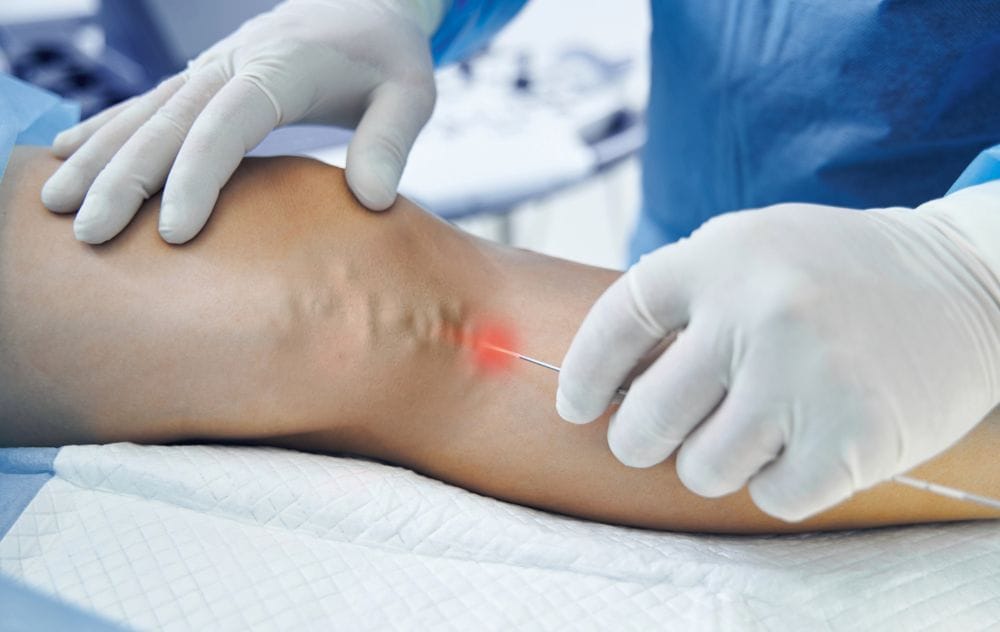
During EVLT, a catheter is inserted into the vein using ultrasound guidance. The laser fiber delivers controlled energy pulses that heat the vein walls, causing the vein to close. The entire procedure usually takes 30 to 60 minutes.
After the EVLT Procedure and Post-Care
Following EVLT, patients can typically resume light activity immediately and return home after a brief observation period. Walking is encouraged right away, with a full return to daily activities within 24 to 48 hours. Strenuous exercise can generally be reintroduced after two weeks.
Within one to two weeks, any mild bruising, swelling, tenderness, or tightening in the treated area should resolve. Learn more about vein ablation recovery, including healing timelines, aftercare recommendations, and when to contact your vein specialist. Over-the-counter pain relievers and cold compresses may help with discomfort during this time.
To support recovery, patients should:
- Wear compression stockings as directed
- Walk for 10 to 15 minutes every couple of hours
- Avoid prolonged standing, strenuous exercise, and air travel for two weeks
- Keep the treated area dry for 48 hours and avoid baths or pools for 7 to 10 days
Because EVLT does not use general anesthesia, patients may drive themselves home after treatment.
How Long After Endovenous Laser Treatment Will I See Results?
Many patients begin to notice relief from common vein disease symptoms such as leg pain, heaviness, swelling, aching, and fatigue within one to two weeks of undergoing EVLT. While individual results vary, many of our patients report feeling more comfortable during everyday activities as blood flow is redirected into healthier veins. Cosmetic improvements, including a reduction in the appearance of bulging varicose veins, often continue to develop over the following weeks and months as the body naturally absorbs the treated vein.
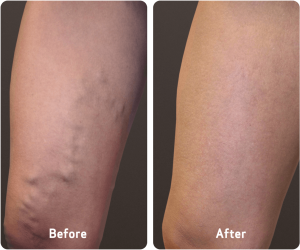
Following treatment, our physicians monitor your recovery and treatment outcomes through follow-up evaluations and ultrasound imaging. These ultrasounds allow us to confirm that the treated vein has successfully closed and that blood is circulating properly through nearby healthy veins. Ongoing follow-up also provides an opportunity to address any remaining symptoms and determine whether additional treatment may help optimize your results.
Clinical research supports the effectiveness of EVLT /EVLA for both symptom improvement and long-term vein closure. In a prospective cohort study of 102 patients treated with EVLT for chronic venous insufficiency, researchers reported significant symptom relief, substantial improvement in the appearance of varicose veins, and resolution of pain in treated limbs within 4 to 6 months following treatment, with very low recurrence rates observed during follow-up.³
By combining advanced minimally invasive treatment with comprehensive follow-up care, our physicians help ensure patients achieve the best possible outcomes and lasting relief from varicose vein symptoms.
How Long Does Endovenous Laser Vein Treatment Last?
Endovenous laser treatment (EVLT) closes the treated vein, and most patients experience lasting symptom relief and improved leg comfort. Recurrence in the same treated vein is uncommon, and follow-up care along with healthy lifestyle habits, such as wearing compression stockings, may help support long-term results and reduce the likelihood of new varicose veins forming.
Is EVLT Covered by Insurance?
EVLT is usually covered by insurance when deemed medically necessary, not for cosmetic purposes. Coverage typically requires documentation of venous reflux and symptoms through ultrasound imaging, so patients should confirm details with their insurance provider in advance.
USA Vein Clinics participates with most insurance plans, including Medicaid and some Medicare plans, and offers payment options for uncovered costs.
Who’s a Good Candidate for Endovenous Laser Ablation?
Most adults with symptomatic varicose veins or venous insufficiency are good candidates for endovenous laser treatment (EVLT). This minimally invasive procedure is designed to close diseased saphenous veins, which are often responsible for leg pain, heaviness, swelling, fatigue, and visible varicose veins. While EVLT is highly effective for treating larger underlying veins affected by reflux, it is not typically used to treat spider veins or very small superficial veins. Certain patients, including those who are pregnant, breastfeeding, or experiencing significant deep vein obstruction, may be better suited for other treatment approaches. A consultation with one of our vein specialists is the best way to determine whether EVLT aligns with your condition, symptoms, and long-term vascular health goals.
At USA Vein Clinics, determining whether EVLT is the right treatment begins with a comprehensive evaluation by one of our experienced vein physicians. During your visit, a duplex ultrasound is performed to assess blood flow, identify damaged vein valves, and pinpoint the source of your symptoms. This detailed evaluation allows our physicians to develop a personalized treatment plan based on your unique vascular health needs.
Our medical team will explain how the procedure works, discuss its benefits and potential risks, answer your questions, and review alternative treatment options when appropriate. Our goal is to ensure you fully understand your diagnosis and feel confident in making an informed decision about your varicose vein care.
By partnering with you throughout the evaluation process, our physicians help ensure you receive the most appropriate treatment recommendation, empowering you to make informed decisions and achieve lasting relief from varicose vein symptoms.
EVLT Compared to Other Treatment Options
EVLT is one of several minimally invasive treatments available for varicose veins, alongside radiofrequency ablation, VenaSeal, Varithena, and ultrasound-guided sclerotherapy. Each closes the affected vein using a different mechanism. EVLT and radiofrequency ablation both use heat, while VenaSeal uses a medical adhesive and ultrasound-guided sclerotherapy uses an injected solution.
Our guide to comparing sclerotherapy and laser treatment walks through how these two specific approaches differ in more detail. A vein specialist’s assessment of your ultrasound results is the most reliable way to determine which option may fit your case.
Treatment Options
Ready to Find Out If EVLT Is Right for You?
Endovenous laser treatment (EVLT) is an FDA-approved option that may help relieve symptoms of varicose veins, with minimal downtime and long-term results for many patients.
Along with EVLT, USA Vein Clinics offers a range of non-surgical vein treatments. Our specialists create personalized treatment plans using advanced, minimally invasive procedures, with over 160 locations nationwide, so expert care is close to home.
Frequently Asked Questions About EVLT
- Tofigh, A.M., Tahmasebi, H., and Zebarjadi, J. “Comparing the success rate and side effects of endovenous laser ablation and radiofrequency ablation to treat varicose veins in the lower limbs: A randomized clinical trial.” Journal of Lasers in Medical Sciences.
- Nwaejike, N., Srodon, P.D., and Kyriakides, C. “5-years of endovenous laser ablation (EVLA) for the treatment of varicose veins – a prospective study.” International Journal of Surgery.
- Pathak S, Sharma A, Yadav R. Evaluation of Outcomes Following Endovenous Laser Therapy (EVLT) for Chronic Venous Insufficiency (CVI) on a Daycare Basis in a Tertiary Healthcare Centre of Northern India: A Prospective Cohort Study. International Journal of Foot and Ankle. 2024.
Medical disclaimer: This article provides educational information about vein disease and treatment options. It is not a diagnosis or medical advice. Only a qualified vein specialist can determine whether you have vein disease or recommend appropriate treatment. If you have leg swelling, pain, or other vascular symptoms, consult a healthcare provider or contact USA Vein Clinics for an evaluation.
Schedule Anytime, Anywhere
Skip the wait times! Scheduling at your fingertips, 24/7. Minimally invasive non-surgical treatment for spider & varicose veins.
Schedule Online