Medically reviewed by
USA Vein Clinics Medical Review Team
Experienced physicians specializing in venous disease
Varicose veins affect more than 25 million Americans. These veins are swollen, damaged blood vessels that bulge beneath the skin. They most often develop on the lower legs, ankles, and feet, appearing blue or purple. Varicose vein symptoms range from mild swelling and heaviness to more serious warning signs like a painful, hardened vein or a non-healing sore. These symptoms are a visible sign of chronic venous insufficiency, not just a cosmetic issue. They usually start mild and progress gradually, but sudden, one-sided leg swelling with pain or warmth needs urgent evaluation. Varicose vein symptoms are often the primary outward indicator of underlying vascular dysfunction. A vein specialist can determine what stage a case is at and recommend next steps.
Common Symptoms of Varicose Veins
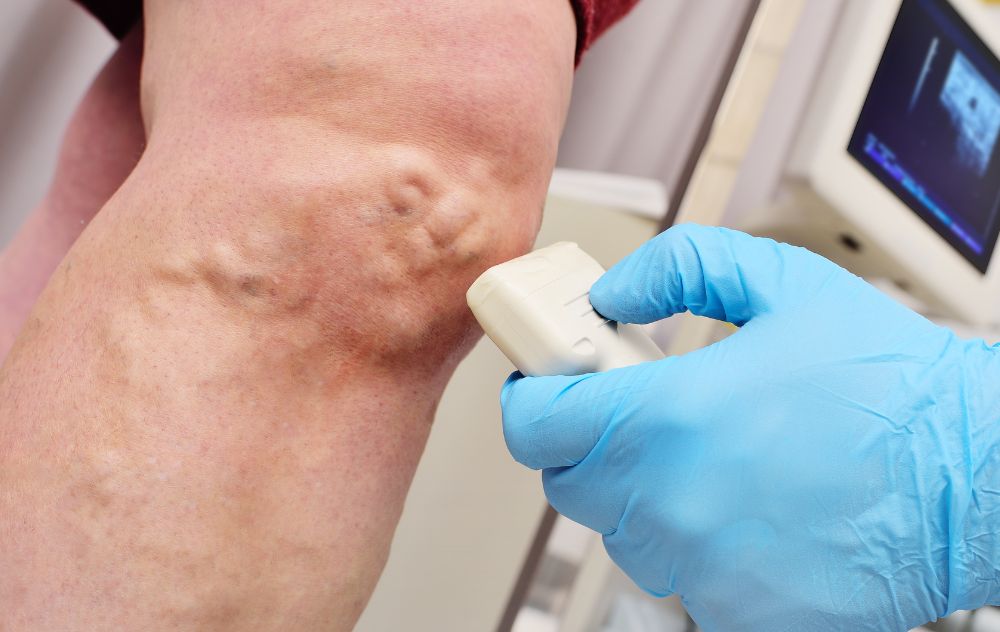
Varicose veins can cause a range of symptoms. One of the most recognizable is bulging or unsightly blue to purple veins. Some people see them under the skin but do not experience additional symptoms. Others experience aches, pain, swelling, and more.
Common symptoms include:
- Enlarged veins: Visible under the skin’s surface, appearing blue or purple.
- Swelling: Swollen legs and ankles can occur.
- Aching: Legs and ankles might feel achy or heavy.
- Cramping: Muscle cramping can develop, especially at night.
- Itching: Burning and itching sensations around the affected veins are common.
- Skin changes: The skin around affected veins can become dry, thick, and discolored.
- Heavy legs: A sensation of heaviness in the legs, particularly after standing or walking for extended periods.
- Pain: Discomfort or pain in the legs, which can worsen after sitting or standing for long durations.
If aching or cramping regularly wakes you up, learn more about the possible causes of leg pain at night, how vein disease can contribute to nighttime discomfort, and when it is time to seek medical evaluation.
How Varicose Vein Symptoms Connect to Chronic Venous Insufficiency
These veins are a visible sign of chronic venous insufficiency (CVI). This is a condition where the valves inside leg veins stop working properly. Blood pools instead of flowing back to the heart.
In other words, the bulging vein is not the whole story. It is a marker of an underlying circulation problem. Left unaddressed, it tends to follow a predictable pattern, moving from mild discomfort to, in some cases, skin or circulation complications.
Why Varicose Vein Symptoms Happen
Varicose veins develop when they become enlarged, twisted, and overfilled with blood. This happens due to poor circulation or weak vein walls and valves. Weak or damaged valves let blood pool instead of flowing back to the heart. This causes the bulging and twisting. Aging, genetics, prolonged standing or sitting, and obesity can all add pressure and raise the risk.
Hormonal changes are another factor. Pregnancy, menopause, and hormone therapy can relax vein walls, making them more prone to damage. A sedentary lifestyle, past leg injuries, and chronic venous insufficiency also play a role.
Left untreated, this can lead to complications like blood clots or venous ulcers. Early evaluation may help manage symptoms and slow this progression.
Varicose Vein Risk Factors
While varicose veins are quite common and can appear at various life stages in both men and women, they are more prevalent in people over 40 and in women. Additional risk factors include:
- Pregnancy: The weight gain and hormonal shifts associated with pregnancy can increase the risk.
- Obesity: Excess weight increases pressure on the veins, raising the risk.
- Family history: This condition and other vein health issues can run in families.
- Standing and sitting for extended periods: Prolonged standing or sitting puts pressure on the legs and can lead to blood pooling and vein swelling.
- Gender: Women are at a higher risk than men.
What Is the First Sign of Varicose Veins
The earliest sign is rarely pain. Most patients first notice one of the following:
- A small, blue, purple, or reddish vein under the skin
- Mild swelling in the lower legs or ankles, especially by evening
- A feeling of heaviness or fatigue after standing or sitting for a long time
- Occasional leg cramps, often at night
- Smaller thread-like veins, known as spider veins
These early signs are easy to miss. They are mild and can come and go. One may show up one week and fade the next. But this is a visible sign of vein disease, and the condition tends to get worse over time rather than resolve on its own. For a closer look at these early changes, see our guide on early signs of varicose veins.
Which Symptom of Varicose Veins Is Most Dangerous
The most dangerous symptom associated with varicose veins is sudden, severe, one-sided leg swelling accompanied by localized pain, warmth, or skin redness. While varicose veins affect surface (superficial) veins, sluggish circulation and pooling blood can significantly increase the risk of a Deep Vein Thrombosis (DVT), a blood clot forming deep within the leg muscles.
Two other warning signs also need prompt medical attention, not a wait-and-see approach:
- An open sore near the ankle (venous ulcer): This can mean vein disease has advanced and the skin is starting to break down.
- A painful, hard, cord-like vein near the skin: This may be superficial thrombophlebitis, a clot inside the vein itself.
Dangerous varicose vein symptoms often involve signs of a blood clot or advanced vein disease, such as sudden leg swelling, warmth and redness over a vein, severe pain, or bleeding that is difficult to control. Any new or worsening symptoms are worth having checked. Research has found that people with this condition face a notably higher risk of DVT than people without it.1 This is part of why early evaluation matters, even when a vein looks purely cosmetic.
You can also read are varicose veins dangerous for more.
Call to Discuss a Consultation
How Varicose Vein Symptoms Progress Over Time
These symptoms usually follow a pattern rather than appearing all at once. Understanding this pattern helps explain why a symptom that seems minor today is still worth watching.
- Early stage: Small visible veins, mild swelling, occasional heaviness or cramping. Skin looks normal.
- Moderate stage: More constant swelling, aching that gets in the way of standing or walking, visible bulging or twisted veins, occasional itching.
- Advanced stage: Skin changes such as discoloration, thickening, or dryness near the ankle. Higher risk of superficial thrombophlebitis. Possible venous ulcers if circulation problems go unaddressed.
Symptoms do not move at the same pace for everyone. Genetics, activity level, pregnancy, and overall vein health all play a role in how quickly, or whether, a person moves from one stage to the next. A specialist evaluation is a more reliable way to understand where a case stands than self-assessment alone.
Complications of Varicose Veins
Beyond their visible appearance, varicose veins can progress and contribute to circulation problems, discomfort, and more serious vein-related complications.
Serious Warning Signs to Watch For
- Rapid One-Sided Leg Swelling: One leg becomes noticeably swollen over a short period of time and may feel tight, heavy, or uncomfortable.
- Painful, Red Vein: A vein becomes tender, inflamed, warm to the touch, and visibly red along its path.
- Firm or Rope-Like Veins: The affected vein hardens and feels raised, tight, or cord-like beneath the skin.
- Unexpected Vein Bleeding: Varicose veins located close to the skin can rupture and cause significant bleeding, even from minor injury.
Advanced Complications of Vein Disease
If left untreated, this condition can lead to more serious health issues over time. These complications may include:
- Venous ulcers: Open sores that develop on the skin, often near the ankles, that can be slow to heal.
- Skin discoloration: Darkening or changes in skin texture around the affected veins.
- Chronic venous insufficiency (CVI): A progressive condition affecting the veins’ ability to return blood to the heart, which can cause swelling, pain, and an increased risk of ulcers and blood clots.
- Skin Thickening and Damage: Chronic venous insufficiency can cause the skin to become hardened, irritated, itchy, or more vulnerable to breakdown over time.
- Persistent Leg Pain: Ongoing aching, throbbing, burning, or heaviness that interferes with daily activities may signal worsening vein disease.
- Blood clots: This condition can increase the risk of clotting disorders such as:
- Superficial thrombophlebitis: Painful blood clots that form near the skin’s surface.
- Deep vein thrombosis (DVT): A serious condition where clots form in deeper veins, potentially leading to a life-threatening pulmonary embolism.
If you suspect you could be experiencing a blood clot or DVT , we strongly urge you to seek emergency medical care. DVT can lead to a PE which is life threatening.
When to See a Vein Specialist About Varicose Veins Symptoms
Our patients are encouraged to schedule an evaluation if they notice new swelling, skin changes, or a painful, hardened vein, since these can be signs that vein disease is progressing. A vein specialist can determine whether symptoms relate to underlying vein disease and recommend appropriate next steps, whether that means monitoring, conservative measures, or a minimally invasive procedure.
Diagnosing Varicose Veins
Proper diagnosis is essential because visible veins are often just a surface indication of deeper circulation problems. At USA Vein Clinics, diagnosing varicose veins and underlying vein disease involves a simple, painless evaluation conducted in an outpatient setting.
- Physical Examination: A vein specialist examines your legs while you stand to check for visible swelling, skin color changes, or tender areas along the veins.
- Medical History Review: Your doctor reviews your symptoms, lifestyle factors, family history, and daily activities to better understand your overall vascular health.
- Duplex Ultrasound: The primary tool for diagnosing vein disease is a non-invasive venous Doppler ultrasound. This test maps blood flow, checks how well vein valves function, and pinpoints exact locations of pooling blood or reflux.
This comprehensive evaluation allows specialists to rule out complications like deep vein thrombosis (DVT) and design an accurate, personalized care plan aimed at long-term relief.
Treatment for Varicose Vein Symptoms
The first step toward relief is a consultation with a doctor. At USA Vein Clinics, our specialists can evaluate your veins and recommend a treatment based on your individual needs. We offer several minimally invasive treatments that may help address the underlying cause and support better circulation.
These non-surgical treatments include:
- Sclerotherapy: A solution is injected into the affected vein to close it.
- Endovenous laser treatment (EVLT): A laser collapses and seals the damaged vein.
- Radiofrequency ablation (RFA): Heat is used to close the damaged vein and redirect blood flow.
- ClariVein®: A rotating fiber device delivers medication to close damaged veins.
- Varithena: A medical foam fills and closes damaged veins.
- VenaSeal™: A medical adhesive is injected into damaged veins, closing them off.
Our patients are advised to always maintain healthy habits, such as regular movement and leg elevation, to support healthy circulation alongside any treatment plan.
Relieve Varicose Vein Symptoms with USA Vein Clinics
Our team can evaluate and help manage these symptoms at any stage. With over 160 locations nationwide and most insurance plans accepted, vein care is accessible close to home. Book a consultation by calling 888.768.3467 or using our online scheduling tool.
Relief is a Click Away – Book a Consultation Now
FAQs About Varicose Vein Symptoms
1. Journal of the American Medical Association (JAMA). Retrospective cohort study on varicose veins and deep vein thrombosis risk, based on a large adult population followed over a multi-year period.
2. National Institute of Neurological Disorders and Stroke. Restless Legs Syndrome. NINDS, National Institutes of Health.
3. American Vein and Lymphatic Society. Chronic Venous Insufficiency patient resources.
Medical disclaimer: This article provides educational information about vein disease and treatment options. It is not a diagnosis or medical advice. Only a qualified vein specialist can determine whether you have vein disease or recommend appropriate treatment. If you have leg swelling, pain, or other vascular symptoms, consult a healthcare provider or contact USA Vein Clinics for an evaluation.