
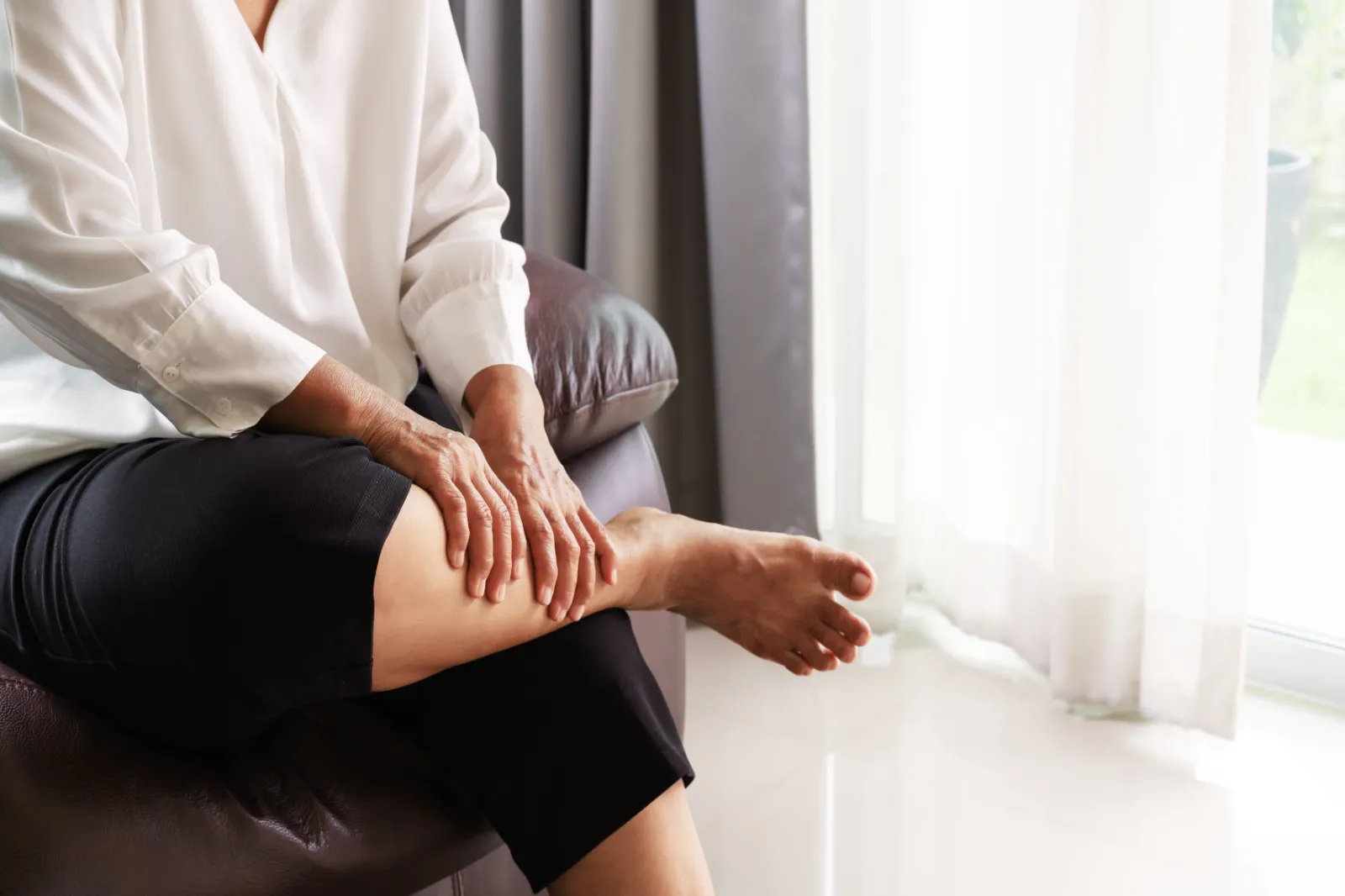

Leg cramps are one of the more frustrating symptoms people with varicose veins describe. Can varicose veins cause leg cramps? The short answer is yes. Varicose veins can contribute to leg cramping, especially when an underlying vein disease called chronic venous insufficiency (CVI) is involved. But the connection is not always straightforward, and leg cramps can have several other causes too.
Here is what you should know about how vein disease can lead to leg cramping, what symptoms often appear alongside it, and when it makes sense to have your legs evaluated by a vein specialist.
Understanding the Connection Between Varicose Veins and Leg Cramps
Varicose veins are not simply a cosmetic issue. They are often a visible sign of a deeper problem called venous reflux, which occurs when the valves inside your leg veins stop working correctly. These valves are supposed to push blood upward toward the heart. When they weaken or fail, blood flows backward and pools in the lower legs.
That pooling increases pressure inside the vein walls. Over time, the surrounding muscles and soft tissue experience reduced oxygen delivery, fluid buildup, and irritation. All of these factors can trigger muscle cramping, particularly the kind that tends to flare up in the evening or at night after a long day on your feet.
Multiple vein specialists have observed that venous reflux can lead to leg pain, achiness, and cramping that typically worsens toward the end of the day and improves with rest and elevation. Cramps that ease when you put your feet up and worsen when you stand for long periods may have a venous cause worth investigating.
Good to Know
Cramping associated with vein disease tends to be worse in the evening and may improve when you elevate your legs. If you notice this pattern, it may be worth discussing with a vein specialist.
What Actually Causes the Cramping
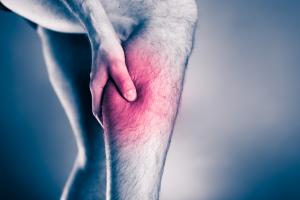
When venous insufficiency is at the root of leg cramping, a few different mechanisms may be at work:
- Increased venous pressure. Blood pooling in the legs raises pressure in the vein walls and surrounding tissue. This pressure can irritate nerves and muscle fibers.
- Reduced oxygen to muscles. When circulation is sluggish, muscles receive less oxygen-rich blood. This can lead to fatigue, tension, and cramping, particularly during periods of inactivity or rest.
- Fluid buildup in leg tissue. Poor venous return allows fluid to leak from the veins into surrounding tissues, contributing to swelling and muscle discomfort.
- Nighttime muscle spasms. Research published in the Journal of Vascular and Interventional Radiology found that nighttime leg cramping and restless legs syndrome may be associated with venous insufficiency, and that treating the underlying vein condition may provide symptom relief in appropriate candidates.
If your discomfort tends to flare after you lie down, our guide to leg pain at night explains other possible causes of nighttime symptoms and when circulation problems may be involved.
It is also worth noting that leg cramps can have causes unrelated to varicose veins, including dehydration, certain medications, nerve conditions, or peripheral artery disease. That is why evaluation by a qualified provider matters before assuming a cause.
Could your leg symptoms be a sign of vein disease?
Take our short quiz to evaluate your symptoms.
Other Symptoms That Often Appear Alongside Leg Cramps
Varicose veins and leg cramps often occur alongside other symptoms of vein disease. Leg cramping rarely appears in isolation when vein disease is the contributing factor. Most people with chronic venous insufficiency experience a cluster of symptoms that tend to overlap and worsen with time.
Common symptoms that may occur alongside cramping include:
- Leg heaviness or fatigue, especially after standing or sitting for long periods
- Swelling in the ankles or calves by the end of the day
- Throbbing or aching in the lower legs
- Restless legs, particularly at night
- Itching or burning over or around visible veins
- Skin changes near the ankle, such as darkening, thickening, or a reddish-brown discoloration
- Visible varicose veins or rope-like bulging along the legs
If you experience leg cramps in combination with two or more of these symptoms, an evaluation for vein disease may be appropriate. A duplex ultrasound can identify venous reflux and help a specialist determine whether underlying vein disease is contributing to your discomfort.
How to Help Relieve Leg Cramps From Varicose Veins
Certain lifestyle adjustments may reduce cramping frequency and severity. While these steps can help manage symptoms, they do not treat the underlying vein disease. A minimally invasive vein procedure is often needed to address venous reflux directly.
Steps that may provide some relief include:
- Move regularly throughout the day. Prolonged sitting or standing slows venous return. Short walks and calf stretches help keep blood circulating.
- Wear compression socks or stockings. Medical-grade compression can reduce pooling and cramping. A vein specialist can recommend the appropriate compression level for your situation.
- Elevate your legs in the evening. Propping your legs above heart level for 15 to 20 minutes can help drain pooled blood and ease end-of-day symptoms.
- Stay hydrated. Dehydration is an independent cause of muscle cramping. Adequate daily fluid intake supports both muscle function and circulation.
- Maintain a healthy weight. Excess body weight places added strain on leg veins and valves, worsening venous insufficiency over time.
- Avoid prolonged heat exposure. Hot baths, hot tubs, and heating pads applied directly to varicose veins can cause vasodilation and worsen symptoms.
- Ask your doctor about vein treatment. Lifestyle measures may reduce discomfort but only treating the underlying venous reflux addresses the source. Minimally invasive vein treatment options are available with little to no downtime.
When to See a Vein Specialist
Not every leg cramp points to a vein problem. But there are situations where an evaluation is worth considering:
- Cramps that happen frequently or are getting worse over time
- Cramping that consistently worsens in the evening and improves with leg elevation
- Cramping accompanied by visible varicose veins or swelling
- A family history of varicose veins or vein disease
- Skin changes, discoloration, or signs of chronic venous changes near the lower leg or ankle
A vein specialist can perform a duplex ultrasound evaluation, which maps blood flow through the leg veins and identifies reflux or obstruction. This is the standard diagnostic tool for chronic venous insufficiency and helps determine whether treatment may be appropriate for your specific situation.
What to Expect at a Vein Evaluation
An initial vein consultation typically includes a review of your symptoms and medical history, a physical exam, and a duplex ultrasound. The evaluation is outpatient, non-invasive, and usually covered by most major insurance plans when a medical indication is present.
How Treating Varicose Veins May Help With Cramping
Treating the underlying vein disease, rather than just the visible veins, is the approach that may address symptoms like cramping at their source. USA Vein Clinics offers minimally invasive, outpatient treatments that target venous reflux and chronic venous insufficiency.
Depending on your evaluation results, treatment options may include:
- Endovenous laser ablation (EVLT): A thin laser fiber is inserted into the affected vein to close it using heat energy.
- Radiofrequency ablation (RFA): Similar to EVLT, this technique uses radiofrequency energy to close the diseased vein.
- VenaSeal™ : A medical adhesive is used to close the vein without heat or anesthesia.
- Varithena: A prescription foam that is injected to collapse and close varicose veins.
- ClariVein® : A mechanical and chemical approach that uses a rotating catheter combined with a sclerosant agent.
- Ultrasound-Guided Sclerotherapy: A solution is injected into smaller varicose veins or spider veins to close them. Ultrasound-guided sclerotherapy is used for deeper vessels.
These procedures are performed in an outpatient setting and typically require no general anesthesia. Most patients return to light activity within a day or two. While treating varicose veins may reduce or resolve cramping in some patients, individual outcomes vary. A vein specialist can help you understand what results may be realistic based on your evaluation.
Frequently Asked Questions
Schedule a Vein Evaluation
If you’re experiencing varicose veins and leg cramps, a vein evaluation can help determine whether underlying vein disease is contributing to your discomfort. USA Vein Clinics has locations nationwide with experienced vein specialists who can assess your symptoms, perform a duplex ultrasound if needed, and help you understand your options.
Most major insurance plans are accepted. Scheduling is available online or by phone at your nearest location.


